
Root canal treatment is one of the most misunderstood procedures in dentistry, often surrounded by myths that can create unnecessary fear and hesitation. For residents in Las Vegas, NV, understanding the realities of this common dental procedure is essential to making informed decisions about oral health. At Baldwin Distinctive Dentistry, we aim to dispel misconceptions and provide clear, factual information about root canal therapy so patients can feel confident when facing dental care.
Common Myths About Root Canal Treatment
Root canals have a reputation that precedes them, largely fueled by outdated information and exaggerated stories. One of the most pervasive myths is that root canal treatment is painful. Many people imagine a root canal as a lengthy, agonizing process filled with discomfort. Another myth is that the procedure is unnecessary or that extracting the tooth would be a better alternative. Some also believe that root canals can cause illness or other health problems.
These misconceptions can deter patients from seeking timely treatment, which often results in worsening dental issues and more complex procedures later. Understanding the truth behind these myths is crucial to appreciating how root canal therapy actually benefits oral health.
What Actually Happens During Root Canal Treatment
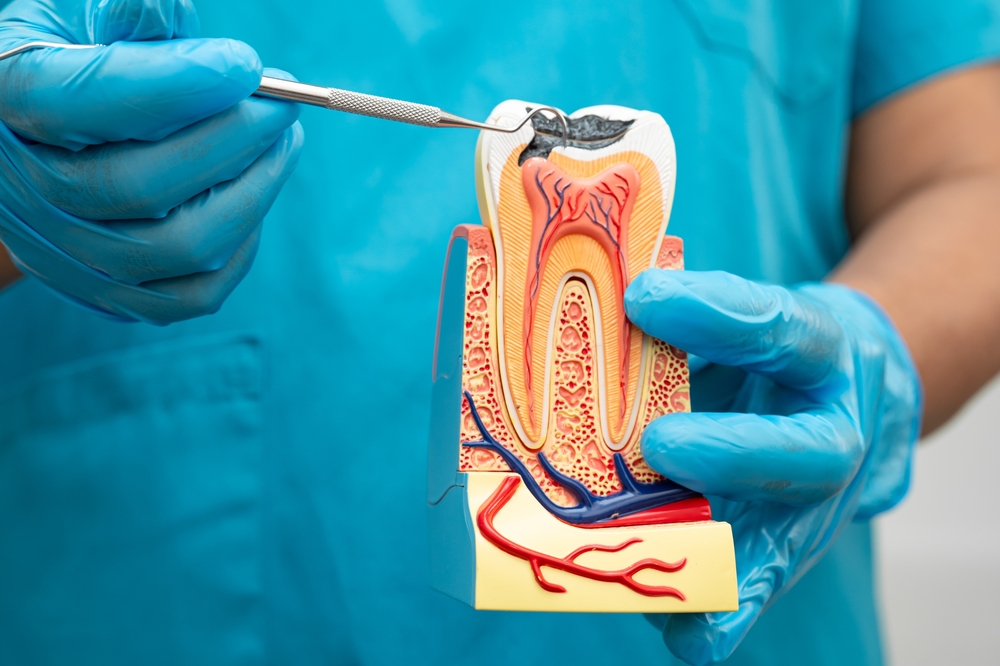
Root canal treatment is a procedure designed to save a tooth that has become infected or severely damaged in its pulp—the soft tissue inside the tooth that contains nerves and blood vessels. When bacteria invade this area due to decay or trauma, the pulp can become inflamed or die, leading to pain, swelling, and even abscess formation.
During the treatment, the dentist or endodontist removes the infected or damaged pulp tissue, thoroughly cleans and disinfects the inside of the tooth, and then fills and seals the space to prevent further infection. This process eliminates the source of pain and preserves the tooth structure, allowing it to continue functioning naturally. The entire procedure is performed under local anesthesia, so patients typically experience little to no discomfort during treatment.
The Truth About Pain and Recovery
While the myth of a painful root canal persists, modern techniques and anesthesia have transformed the patient experience. Most patients report that the procedure itself is no more uncomfortable than getting a routine filling. Any discomfort typically stems from the infection or inflammation before the treatment, which is usually relieved once the root canal is completed.
Recovery after root canal treatment is generally smooth. Some patients may experience mild sensitivity or soreness for a few days, which can be managed with over-the-counter pain relievers. It is important to follow any post-treatment care instructions provided by the dental provider to promote healing and avoid complications. In contrast to the misconception that root canals cause ongoing pain or illness, the procedure actually alleviates the source of infection and discomfort.
Why Saving a Natural Tooth Matters
Another myth suggests that removing the tooth entirely is a better solution than undergoing root canal treatment. While extraction may seem simpler, preserving the natural tooth whenever possible is usually the best option. Natural teeth provide important functions such as maintaining proper chewing efficiency, supporting jawbone health, and preserving the alignment of surrounding teeth.
When a tooth is extracted, it leaves a gap that can cause neighboring teeth to shift and create bite problems or difficulties in speaking and eating. Over time, bone loss in the jaw may occur, leading to changes in facial structure. Root canal therapy helps maintain the natural tooth and its role within the mouth, reducing the need for additional restorative procedures like implants or bridges.
When Is Root Canal Therapy Recommended?
Root canal treatment is typically recommended when the dental pulp becomes infected or inflamed beyond repair. This can result from untreated cavities that penetrate deep into the tooth, cracks or fractures that expose the pulp, repeated dental procedures on the same tooth, or trauma such as a blow to the face.
Signs that root canal therapy might be necessary include persistent toothache, sensitivity to hot or cold that lingers, swelling or tenderness in nearby gums, discoloration of the tooth, or a recurring pimple on the gums near the affected tooth. It’s important to seek professional evaluation promptly if these symptoms arise, as early treatment improves the chances of saving the tooth and prevents further complications.
How Root Canal Therapy Is Performed Today
Modern root canal therapy involves advanced technology and materials that have improved outcomes and patient comfort. Dental professionals use high-powered magnification and precision instruments to clean out the tiny canals inside the tooth. Digital imaging helps guide treatment and assess the tooth’s anatomy accurately.
The canals are then filled with biocompatible materials such as gutta-percha to seal the space completely. After the root canal procedure, the tooth is typically restored with a crown or filling to protect it from future damage and restore its strength. These advancements have made root canal therapy a highly predictable and successful treatment option.
Busting Additional Myths About Root Canals
Beyond pain and necessity, there are other myths about root canal treatment worth addressing. One is the belief that root canals can cause systemic illnesses, such as heart disease or cancer. This idea originated from outdated research and has been thoroughly disproven by modern scientific studies. Root canal therapy is safe and does not contribute to systemic health problems.
Another misconception is that root canals require many visits or are extremely time-consuming. In reality, many root canal procedures can be completed in one or two visits, depending on the complexity of the case. Lastly, some think that once a root canal is done, the tooth will never need further care. While root canal-treated teeth generally last many years, good oral hygiene and regular dental checkups remain essential for long-term success.
How to Prepare for a Root Canal and What to Expect Afterwards
Preparing for a root canal is straightforward. Patients should communicate any concerns or questions to their dental provider beforehand. Eating a light meal before the procedure can help, especially since local anesthesia may temporarily numb the mouth and affect chewing. It’s also helpful to arrange transportation if sedation is planned.
After treatment, it’s normal to experience some mild soreness or sensitivity, which usually improves within a few days. Patients should follow their dentist’s instructions on oral hygiene and avoid chewing on the treated tooth until it is fully restored. Keeping up with regular dental visits will help monitor the tooth and address any potential issues early.
Root canal treatment is a valuable procedure that saves teeth and relieves pain, yet many myths continue to create fear and misunderstanding. By knowing the facts, patients in Las Vegas, NV can approach this treatment with confidence and take positive steps toward preserving their oral health. Baldwin Distinctive Dentistry encourages everyone to seek accurate information and professional advice when it comes to dental care.
Resources:
American Association of Endodontists. (2020). Root Canal Treatment.
Ng, Y.-L., Mann, V., & Gulabivala, K. (2011). Outcome of root canal treatment: A systematic review. Endodontic Topics.
Torabinejad, M., & Walton, R. E. (2010). Endodontics: Principles and Practice.