Choosing the right restorative dental solution is an important decision that can impact not only your oral health but also your daily comfort, confidence, and quality of life. For patients in Las Vegas, NV, understanding the difference between porcelain bridges and dentures can help clarify which option may be better suited for their individual needs. At Baldwin Distinctive Dentistry, our goal is to support your education in dental health so you can make informed choices about your care.
Understanding Porcelain Bridges
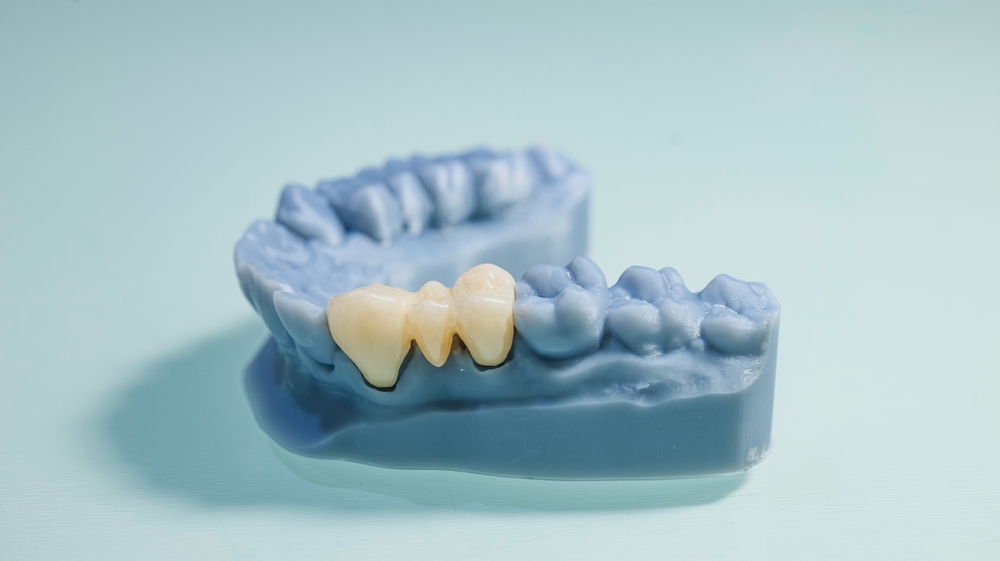
Porcelain bridges are fixed dental prosthetics that “bridge” the gap created by one or more missing teeth. They typically consist of a false tooth (or teeth) anchored to crowns placed on adjacent natural teeth or implants. These bridges are custom-designed using durable, tooth-colored porcelain to blend seamlessly with natural teeth, offering both functional and aesthetic benefits.
The primary benefit of a porcelain bridge is its permanence. Because it’s cemented into place, a bridge does not shift in the mouth like removable prosthetics. This leads to greater stability when chewing and speaking. Many patients find that a bridge feels very similar to their natural teeth. Additionally, porcelain’s aesthetic qualities mimic natural enamel, allowing for a lifelike appearance that enhances confidence and restores a complete smile.
However, the process of getting a porcelain bridge does require altering the neighboring teeth, which must be reshaped to support the crowns. This can be seen as a downside if those adjacent teeth are otherwise healthy. Furthermore, bridges are most effective when only a few teeth are missing; for larger gaps or full arches, alternative solutions may be more practical.
What to Know About Dentures
Dentures are removable appliances used to replace missing teeth and surrounding tissue. They come in two primary forms: full dentures, which replace all the teeth in an arch, and partial dentures, which replace several missing teeth when some natural teeth remain. Dentures have evolved significantly in recent decades, with modern designs offering greater comfort, better fit, and a more natural appearance.
One of the most significant advantages of dentures is that they are non-invasive and generally more affordable than fixed options. Unlike bridges, dentures do not usually require significant modification to existing teeth. This makes them a popular choice for individuals who are missing many or all of their teeth or who want a solution without undergoing extensive dental procedures.
Still, dentures come with their own set of challenges. Because they are removable, they can slip out of place when speaking or eating, especially if they’re not properly fitted. Some users report discomfort or soreness, particularly in the early stages of adjustment. Maintenance is another factor to consider, as dentures must be removed nightly for cleaning and may need periodic adjustments or replacement due to changes in the jawbone over time.
Comparing Durability and Longevity
When evaluating restorative options, understanding their longevity is essential. Porcelain bridges, with proper care, can last anywhere from 10 to 15 years or more. They are made of strong materials that can withstand the daily pressures of chewing and speaking. However, the durability also depends on the health of the supporting teeth. If one of the abutment teeth becomes damaged or decayed, it can compromise the entire bridge.
Dentures, on the other hand, generally last about 5 to 8 years before needing replacement or relining. As the jawbone gradually changes shape over time (a natural result of tooth loss), the fit of a denture can become loose, leading to discomfort and reduced functionality. While dentures can be repaired or relined, they do not have the same level of permanence as bridges.
That said, the longevity of either solution greatly depends on personal oral hygiene, regular dental checkups, and lifestyle factors such as diet and smoking habits. Neither option is truly permanent, but bridges tend to provide a longer-lasting solution for those with a few missing teeth and stable oral health.
Functionality and Everyday Comfort
Daily functionality is a critical factor in choosing between porcelain bridges and dentures. Porcelain bridges are typically more comfortable because they are fixed and do not shift during eating or talking. They allow for a more natural chewing experience and don’t require removal, making them feel more like your original teeth.
Dentures can initially feel bulky or unnatural, especially for first-time users. It may take several weeks or even months to become accustomed to eating and speaking with them. In some cases, people may need to avoid certain foods or modify their eating habits due to the risk of slippage or discomfort. Despite these challenges, modern dentures have improved significantly and can offer reasonable function with proper fit and practice.
Another consideration is maintenance. Porcelain bridges require the same hygiene routine as natural teeth—brushing twice daily, flossing, and routine dental cleanings. Dentures, on the other hand, must be removed and cleaned daily using specialized solutions, and patients must also care for their gums and any remaining teeth.
Esthetics and Confidence
The visual impact of a dental restoration plays a significant role in a person’s self-esteem. Porcelain bridges are often praised for their aesthetic appeal. Because they are custom-made to match the shape, size, and color of adjacent teeth, they tend to look very natural. Their fixed nature also contributes to a greater sense of confidence when speaking or smiling in social settings.
Dentures, while also designed to resemble natural teeth, can sometimes appear less realistic if not properly crafted or fitted. Additionally, the concern over slippage can cause some individuals to feel self-conscious. However, with proper fitting and updated materials, many modern dentures now offer highly convincing aesthetics. Some people even appreciate the ability to remove dentures for thorough cleaning or sleeping, which can enhance comfort.
Ultimately, both options can deliver attractive outcomes when carefully chosen and well-maintained. Your dental provider will work with you to ensure the final restoration looks natural and complements your overall facial features.
Cost and Insurance Considerations
Cost is a significant factor in restorative dentistry, and there can be a notable difference between bridges and dentures. Porcelain bridges tend to be more expensive upfront, especially if multiple teeth or dental implants are involved. However, because they are fixed and longer-lasting, some patients view them as a better long-term investment.
Dentures usually have a lower initial cost, making them more accessible for individuals on a tighter budget. However, because they often require more frequent adjustments or replacements, the long-term costs can add up over time. Insurance coverage can vary depending on the provider and the specifics of the plan, so it’s important to check whether the restorative option you are considering is partially or fully covered.
Financing options, payment plans, or health savings accounts may also help make these treatments more manageable. When evaluating cost, consider the overall value—not just the initial price, but also the long-term benefits and lifestyle impact of each solution.
Making the Right Choice for You
Choosing between porcelain bridges and dentures ultimately depends on several personal factors, including the number of teeth missing, oral health status, aesthetic priorities, budget, and lifestyle. For someone missing only one or two teeth with strong adjacent teeth, a porcelain bridge may provide a stable, attractive solution. For those with significant tooth loss or who prefer a less invasive, more affordable option, dentures may be the better route.
There’s no one-size-fits-all answer, and a consultation with a trusted dental provider can help you weigh the pros and cons in the context of your unique situation. At Baldwin Distinctive Dentistry in Las Vegas, NV, patient education is a core part of our mission. Whether you’re exploring dental bridges, dentures, or other restorative options, understanding your choices is the first step toward restoring your smile and confidence.
Resources:
Feine, J. S., & Carlsson, G. E. (2003). Clinical decision making on the basis of patient preference and satisfaction. The Journal of Prosthetic Dentistry.
Mills, R. W., & Davis, D. M. (2002). A review of clinical longevity of fixed and removable prosthodontics. Dental Update.
Zarb, G. A., & Bolender, C. L. (2004). Prosthodontic Treatment for Edentulous Patients: Complete Dentures and Implant-Supported Prostheses.