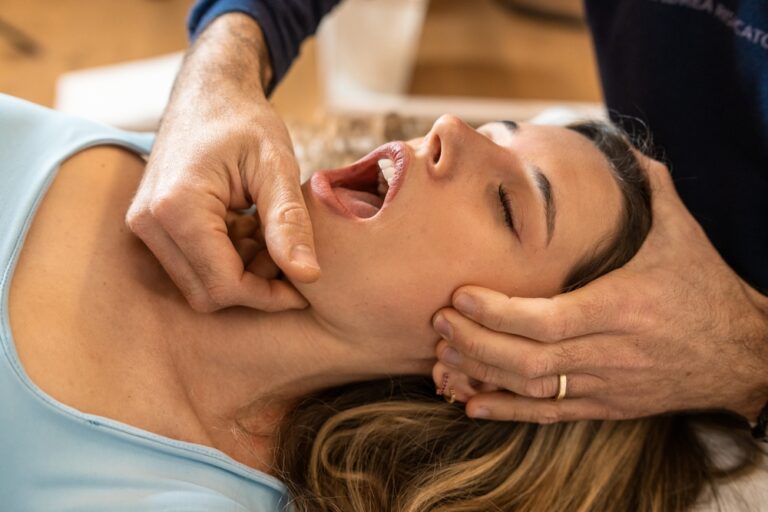
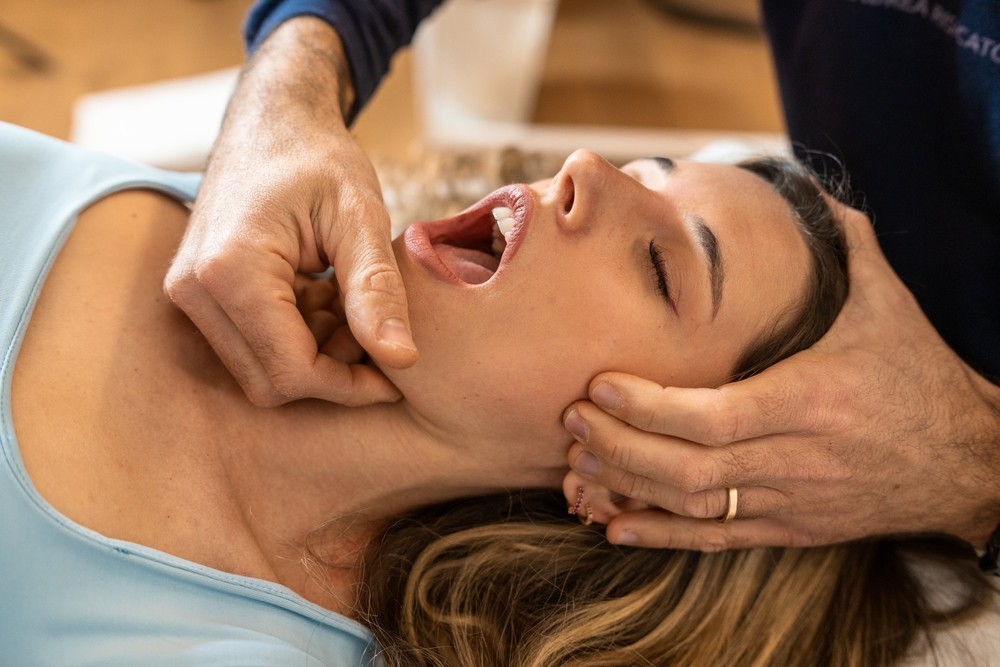
Temporomandibular joint (TMJ) disorders and jaw tension are common conditions that can cause significant discomfort, difficulty chewing, headaches, and even facial pain. For individuals in Las Vegas, NV, searching for effective relief, Botox has emerged as a popular treatment option. At Baldwin Distinctive Dentistry, understanding the role of Botox in managing TMJ and jaw tension helps patients make informed decisions about their care. This article explores how Botox works for these conditions, its benefits, potential drawbacks, and what research reveals about its effectiveness.
What Is TMJ and Jaw Tension?
The temporomandibular joint connects the lower jawbone (mandible) to the skull and acts like a sliding hinge, enabling movements required for speaking, chewing, and yawning. TMJ disorders encompass a range of problems affecting this joint and surrounding muscles, often leading to pain, restricted jaw movement, and clicking or popping sounds.
Jaw tension is closely related and typically involves chronic muscle tightness and spasms in the muscles controlling jaw movement. This tension can result from stress, bruxism (teeth grinding), poor posture, or injury. Left unmanaged, TMJ disorders and jaw tension can impact quality of life and contribute to headaches, earaches, and even neck or shoulder pain.
How Does Botox Work for TMJ and Jaw Tension?
Botox, or botulinum toxin type A, is a neurotoxic protein that temporarily relaxes muscles by blocking nerve signals that cause muscle contraction. When injected into the muscles around the jaw, Botox reduces excessive muscle activity and spasms, alleviating pain and pressure associated with TMJ disorders and jaw tension.
The treatment targets specific muscles, such as the masseter and temporalis muscles, which are often involved in clenching and grinding. By relaxing these muscles, Botox can decrease the intensity and frequency of muscle contractions, reduce inflammation, and promote muscle relaxation. The effects typically last three to six months, after which repeat treatments may be necessary to maintain relief.
Effectiveness of Botox for TMJ Disorders
Scientific studies and clinical experience have shown that Botox can be an effective treatment for certain TMJ conditions, especially those involving muscle hyperactivity and tension. Many patients report significant pain reduction, improved jaw function, and decreased headaches following Botox therapy.
However, Botox is not a cure-all. It is most beneficial for muscle-related TMJ pain rather than joint structural problems like disc displacement or arthritis. As a non-surgical and minimally invasive option, Botox offers an alternative for patients who have not responded well to conventional therapies such as physical therapy, oral splints, or medication.
The treatment also helps reduce teeth grinding during sleep, which often exacerbates jaw tension and TMJ symptoms. Some studies highlight Botox’s ability to break the cycle of muscle overuse, facilitating better muscle balance and comfort.
Considerations and Potential Side Effects
While Botox is generally safe when administered by trained professionals, it is important to consider potential side effects and limitations. Temporary weakness in chewing muscles, bruising at injection sites, asymmetry, or mild swelling may occur but typically resolve within days to weeks.
Because Botox relaxes muscles, excessive weakening of the jaw muscles can sometimes affect chewing efficiency or facial appearance if doses are too high. Careful assessment and precise injection techniques minimize these risks. Botox treatments should be tailored to the individual’s specific symptoms and anatomy.
It is also worth noting that Botox does not address all underlying causes of TMJ disorders. For example, issues related to joint alignment, ligament damage, or systemic factors require different approaches. Comprehensive evaluation is essential to determine whether Botox is appropriate and how it fits into a broader treatment plan.
How Botox Fits Into a Comprehensive TMJ Treatment Plan
Botox can be an important component of a multi-faceted approach to TMJ and jaw tension management. In many cases, it is combined with other therapies such as physical therapy, stress management techniques, oral appliances (like night guards), and medication.
This integrative approach addresses not only muscle tension but also contributing factors such as poor posture, anxiety, or sleep disorders. Lifestyle modifications, including dietary changes and jaw exercises, may further support muscle relaxation and joint health.
By complementing other treatments, Botox enhances overall outcomes and can help patients regain function and comfort more effectively than isolated therapies.
What to Expect During and After Botox Treatment
Botox treatment for TMJ is typically performed in an outpatient setting. The provider injects small amounts of Botox into targeted jaw muscles using fine needles. The procedure is relatively quick and generally well tolerated, with minimal discomfort.
Patients may notice gradual improvement within a few days, with peak effects around two weeks post-treatment. Relief from muscle tension and pain can last several months, after which additional treatments may be scheduled as needed.
Post-treatment care involves avoiding strenuous jaw activity for a short period and following any specific instructions given by the provider. Patients should report any unusual symptoms or concerns promptly.
For those in Las Vegas, NV, dealing with TMJ disorders and jaw tension, Botox offers a promising treatment option backed by clinical evidence and growing patient satisfaction. While not a universal solution, it can provide meaningful relief for muscle-related symptoms and improve quality of life. Baldwin Distinctive Dentistry encourages patients to seek thorough evaluation and explore all available therapies for comprehensive TMJ care.
Resources:
Gupta, A., & Shah, N. (2018). Botox in the management of temporomandibular disorders: A review. Journal of Oral Biology and Craniofacial Research.
Raphael, K. G., & Marbach, J. J. (2001). Botulinum toxin type A (Botox) for myofascial pain and temporomandibular disorders. Current Pain and Headache Reports.
Yunus, M. B. (2007). Role of botulinum toxin in the treatment of myofascial pain syndrome and temporomandibular disorders. Current Rheumatology Reports.