
Tooth loss is a serious concern that affects millions of people across the United States, with gum disease being the leading cause in adults. While tooth decay and trauma are common culprits, periodontal disease silently causes significant damage to the supporting structures of the teeth. For patients in Las Vegas, NV, understanding the value of periodontal therapy can be a key step in protecting long-term oral health. At Baldwin Distinctive Dentistry, our goal is to provide valuable education to help you make informed decisions about your dental care.
What Is Periodontal Disease?
Periodontal disease, commonly referred to as gum disease, is a chronic inflammatory condition that affects the gums and supporting structures of the teeth. It begins with gingivitis, which is the mildest form and is typically marked by red, swollen gums that bleed easily. If not treated, gingivitis can progress to periodontitis, a more serious form of the disease that can lead to irreversible damage.
In periodontitis, the inner layer of the gum and bone pull away from the teeth, forming pockets that collect bacteria and debris. Over time, these pockets deepen, the connective tissue breaks down, and the bone supporting the teeth deteriorates. Without treatment, this process results in tooth mobility and eventual loss. The progression of periodontal disease is typically painless, making it easy to overlook until significant damage has already occurred.
How Periodontal Therapy Works
Periodontal therapy encompasses a range of treatments designed to halt the progression of gum disease and preserve the health of the teeth and gums. The goal is to eliminate bacterial infection, reduce inflammation, and restore the structural integrity of the supporting tissues around the teeth. The type of therapy required depends on the severity of the disease and how far it has progressed.
In its earliest stages, periodontal therapy often begins with non-surgical methods such as scaling and root planing. This deep-cleaning procedure removes plaque and tartar from below the gumline and smooths the roots to discourage further bacterial buildup. For more advanced cases, additional treatments like antimicrobial rinses, localized antibiotics, or even surgical interventions may be necessary to clean deep pockets and regenerate lost bone or tissue.
The Link Between Gum Health and Tooth Retention
One of the most critical reasons for pursuing periodontal therapy is its direct role in preserving natural teeth. As the gums recede and the bone weakens from chronic inflammation, teeth begin to lose their stable foundation. This often results in increased mobility, discomfort, and ultimately, the need for extraction. Periodontal therapy works by interrupting this destructive cycle.
When periodontal disease is addressed early, the prognosis for tooth retention is significantly improved. Scaling and root planing, for example, can stop the progression of disease before major bone loss occurs. In moderate to severe cases, surgery or regenerative procedures may be used to help rebuild the supporting structures. While these treatments can’t always reverse the effects of long-term gum disease, they can dramatically slow or halt its advancement, helping patients maintain their natural teeth longer.
Signs That Periodontal Therapy May Be Needed
Because gum disease is often painless in its early stages, it’s important to be aware of the subtle signs that could indicate the need for periodontal therapy. Recognizing these symptoms can prompt timely intervention and help prevent more serious issues down the line.
Common signs include:
- Persistent bad breath or a bad taste in the mouth
- Swollen, red, or bleeding gums
- Gum recession, where teeth appear longer than before
- Loose or shifting teeth
- Pain when chewing
- Visible pus between the teeth and gums
If any of these symptoms are present, it may be time to consider an evaluation for periodontal disease. Early diagnosis and treatment are key to preventing irreversible damage and tooth loss.
Risk Factors and Prevention
Several risk factors increase the likelihood of developing periodontal disease. These include poor oral hygiene, smoking, hormonal changes (especially in women), diabetes, genetic predisposition, and certain medications that affect gum health. Understanding these risk factors can help patients take proactive steps to minimize their chances of experiencing gum disease.
Preventive measures remain the most effective strategy in combating periodontal disease. Brushing and flossing daily, using antimicrobial mouthwash, and visiting the dentist regularly for professional cleanings are essential habits. For individuals at higher risk, additional preventive strategies such as more frequent dental visits or targeted cleanings may be recommended. Education and consistent care can go a long way in preserving both gum and tooth health.
Long-Term Benefits of Periodontal Maintenance
Once periodontal therapy has been completed, ongoing maintenance is crucial to sustaining results. Periodontal maintenance involves regularly scheduled visits, typically every three to four months, where deep cleanings and evaluations are performed to ensure that gum disease does not return. These visits are more thorough than standard dental cleanings and focus on managing inflammation and maintaining pocket depths.
Patients who adhere to a periodontal maintenance schedule have a significantly lower risk of disease recurrence. By closely monitoring gum health and swiftly addressing any signs of relapse, these routine visits help protect the investment made in previous therapy and greatly reduce the chances of tooth loss. Long-term commitment to maintenance can also benefit overall health, as untreated gum disease has been linked to systemic conditions such as heart disease and diabetes.
Periodontal Health and Whole-Body Wellness
Emerging research continues to uncover connections between periodontal health and systemic health. Chronic inflammation from gum disease is believed to contribute to the body’s overall inflammatory burden, which may play a role in several serious health conditions. Studies have shown associations between periodontitis and cardiovascular disease, stroke, uncontrolled diabetes, and even certain respiratory diseases.
This relationship highlights the importance of addressing gum health not only to preserve teeth but to support broader wellness. For example, individuals with diabetes may find it harder to manage their blood sugar if they also have active periodontal disease. Conversely, treating gum disease can lead to improved blood sugar control. The mouth is truly a window to the rest of the body, and periodontal therapy can be a proactive way to safeguard both oral and systemic health.
A Personalized Approach to Gum Disease Management
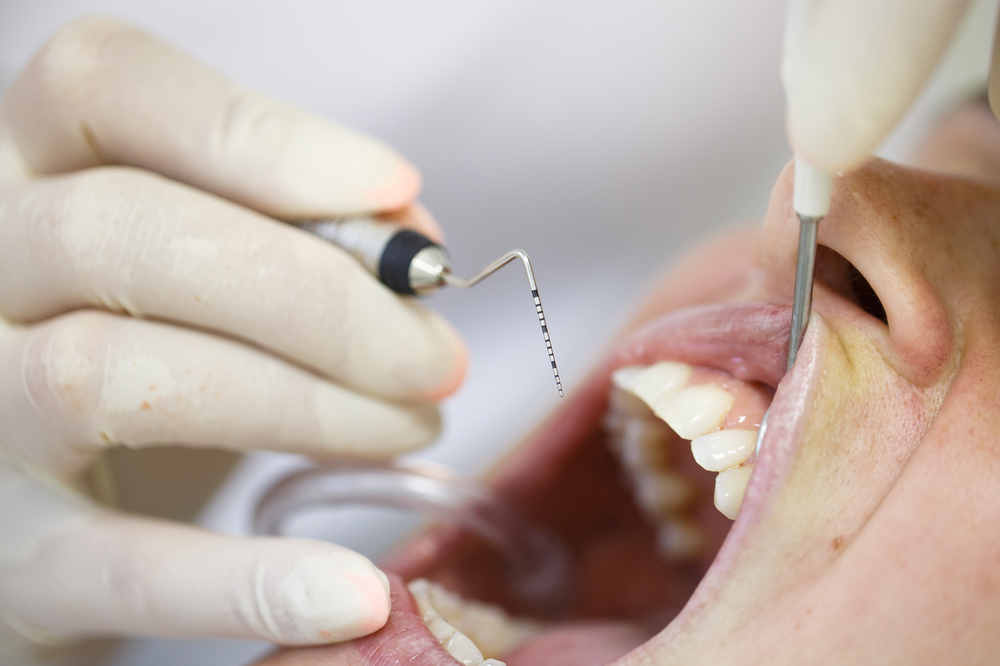
Because periodontal disease can vary greatly from person to person, treatment and management must be tailored to the individual’s specific needs. Some patients may require only mild intervention and close monitoring, while others may need extensive therapy and surgical care. A thorough periodontal evaluation includes measurements of pocket depth, assessment of gum tissue condition, and imaging to evaluate bone levels.
With this information, a personalized treatment plan can be developed that addresses not only current disease status but also risk factors and lifestyle considerations. Collaboration between the patient and dental care provider is key to long-term success. Education about home care techniques, the importance of follow-up, and ways to manage contributing health conditions can empower patients to take control of their gum health.
Conclusion
Periodontal therapy plays a critical role in preventing tooth loss and maintaining oral health. By addressing gum disease at its source, it’s possible to stop or slow its progression, preserve the supporting structures of the teeth, and avoid the need for more invasive treatments later on. For individuals in Las Vegas, NV, staying informed and proactive about periodontal health can make all the difference in protecting their natural smile. At Baldwin Distinctive Dentistry, we believe education is the first step in taking control of your dental health.
Resources:
Kinane, D. F., Stathopoulou, P. G., & Papapanou, P. N. (2017). Periodontal diseases. Nature Reviews Disease Primers.
Pihlstrom, B. L., Michalowicz, B. S., & Johnson, N. W. (2005). Periodontal diseases. The Lancet.
Tonetti, M. S., Jepsen, S., Jin, L., & Otomo-Corgel, J. (2017). Impact of the global burden of periodontal diseases on health, nutrition, and wellbeing of mankind: A call for global action. Journal of Clinical Periodontology.